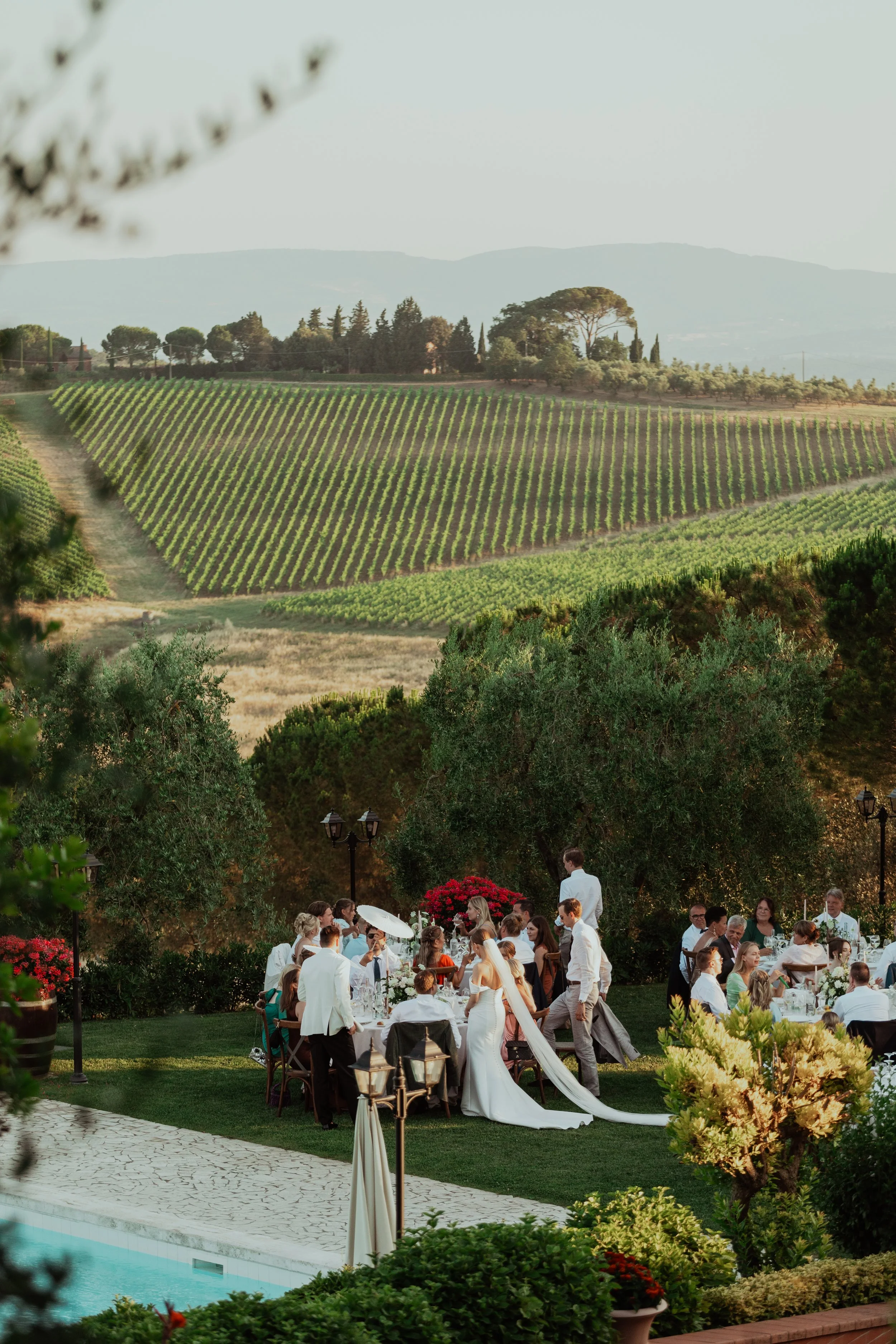
One of the most common questions couples ask is:
“When should everything actually happen?”
There’s an expectation that wedding planning follows a perfectly structured, linear timeline; book venue, then florist, then photographer, then design… all neatly ticking along month by month.
But the reality?
Professional wedding planning is far more fluid, strategic, and layered than a simple checklist.
And understanding that can instantly remove a lot of unnecessary stress.
Why Wedding Timelines Aren’t as Rigid as You Think
1. It Depends on Vendor Response Times
Even the most experienced planners cannot move faster than the industry allows.
Top venues, photographers, and designers often:
Take days (sometimes weeks) to respond
Have limited availability windows
A timeline on paper might suggest something should be secured “this month”, but in reality, progress depends on:
availability, communication pace, and negotiation cycles.
Good planning isn’t about rushing, it’s about strategic timing and persistence.
2. Key Client Decisions Shape the Pace
No timeline works without clarity from the couple.
Major decisions such as:
Budget allocation
Guest count
Overall aesthetic direction
Priorities
…directly impact everything that follows.
When these are clear, planning flows effortlessly.
When they evolve (which they often do), the timeline naturally adjusts.
This isn’t a delay; it’s part of creating something truly aligned.
3. Seasonal Shifts Influence Everything
Planning a summer wedding in Tuscany is not the same as planning a winter wedding in Marbella.
Seasonality affects:
Vendor availability
Pricing fluctuations
Weather contingency planning
Floral availability and design options
For example:
Peak season may require booking key vendors 12-18 months in advance
Off-season weddings may allow more flexibility, but require different logistical planning
A professional timeline always adapts to where and when the wedding takes place.
4. Design Development Is Not Linear
This is where many couples feel unnecessary pressure.
Design is not:
Pick colors → choose flowers → done
Instead, it’s a creative evolution:
Moodboards develop
Ideas are refined
Inspiration shifts
Details layer over time
Sometimes the perfect concept comes quickly.
Other times, it requires space to explore and refine.
The most personal weddings are not rushed, they are thoughtfully curated over time.
So… What Does a Realistic Wedding Timeline Look Like?
Rather than a rigid checklist, think of your timeline as phases:
Phase 1: Foundation (12–18 months before)
Secure venue
Define budget and priorities
Lock in key vendors (planner, photographer, caterer)
Phase 2: Direction (9–12 months before)
Begin design exploration
Confirm guest count direction
Secure remaining core vendors
Phase 3: Design & Detail (6–9 months before)
Finalize design concept
Floral and styling development
Stationery and guest experience planning
Phase 4: Refinement (3–6 months before)
Confirm logistics
Final fittings
Timeline creation
Guest confirmations
Phase 5: Execution (Final 4–8 weeks)
Final vendor confirmations
Styling details completed
Seamless coordination planning
The Truth About Wedding Planning Timelines
A well-planned wedding is not about doing everything early.
It’s about doing everything at the right time, in the right order, with the right intention.
Professional planners don’t just follow timelines,
they manage momentum, anticipate delays, and create flow.
So if you ever feel like you’re “behind”…
You’re probably not.
You’re simply in the part of the process where things are evolving, not linear.
How We Keep Everything Seamless
While the process itself is fluid, we believe the experience for our clients should feel clear, structured, and effortless.
That’s why we use Aisle Planner; a professional planning platform that allows you to:
Track your planning progress in real time
Keep all communication, timelines, and documents in one place
Stay aligned with us and your vendor team throughout the process
It brings clarity to a naturally evolving journey, so you always feel informed, supported, and in control, without the pressure of rigid timelines.